

Cyber threats continue to grow in volume and complexity. Many businesses now hear the term SIEM when speaking with consultants, insurers or compliance teams.
But what is SIEM in cyber security, and do you need it?
This guide explains SIEM in simple terms. Why it matters, and how Australian businesses typically use it as part of a broader security strategy.
What Is SIEM in Cyber Security?

SIEM stands for Security Information and Event Management.
In simple terms, SIEM is a system that collects security data from across an organisation’s IT environment. It looks for unusual or risky behaviour and alerts teams when something may be wrong. This data can come from servers, networks, cloud platforms and security tools such as firewalls and antivirus software. Instead of checking each system separately, SIEM brings all security information into one central place.
Why Businesses Are Being Advised to Use SIEM
Many businesses now use SIEM to improve security visibility and respond to cyber threats faster.
Increasing threats, compliance requirements and limited visibility
Many organisations now face more cyber attacks, stricter compliance requirements and complex IT environments. Without central monitoring, it becomes harder to spot threats early, understand what happened during an incident and demonstrate compliance. SIEM helps improve visibility across systems and supports faster response when issues arise.
This is why SIEM often appears in cyber security frameworks and insurance requirements.

What Problems SIEM Is Designed to Solve
SIEM addresses common security challenges that many businesses face today.



Detecting threats early
SIEM can spot unusual logins, malware activity and suspicious network traffic across systems. By identifying these issues early, businesses can respond before threats spread or cause serious harm. Early detection helps reduce damage and limit disruption to operations.
Understanding activity across your systems
Instead of relying on separate security tools, SIEM brings data from across your systems into one central view. This allows teams to see how activity connects across networks, servers and cloud platforms. By viewing everything together, SIEM helps identify patterns that may indicate a security issue.
Reducing the impact of cyber incidents
SIEM helps reduce the impact of cyber incidents by alerting teams as soon as suspicious activity appears. Faster alerts allow quicker investigation and response before issues spread across systems. This can limit downtime, prevent data loss and reduce disruption to daily operations.
How SIEM Works (At a High Level)
SIEM follows a simple process to monitor systems and detect threats.



Collecting logs and security data
SIEM collects logs and security data from across the IT environment. This includes information from IT systems, cloud services and security software such as firewalls and endpoint protection tools. By gathering this data in one place, SIEM creates a central view of security activity.
Identifying suspicious behaviour
Once SIEM collects security data, it analyses the information to look for suspicious behaviour. It uses set rules and advanced analytics to identify unusual patterns. These could include unexpected logins or sudden spikes in activity. These patterns can indicate a potential cyber threat.
Alerting and investigation
When SIEM detects suspicious behaviour, it sends an alert to the security team for review. This allows teams to quickly investigate the issue and decide on the right response. Early alerts help prevent small problems from becoming major incidents.
Key Benefits of SIEM for Businesses
SIEM offers several key benefits that help businesses strengthen their cyber security.


Faster threat detection and response
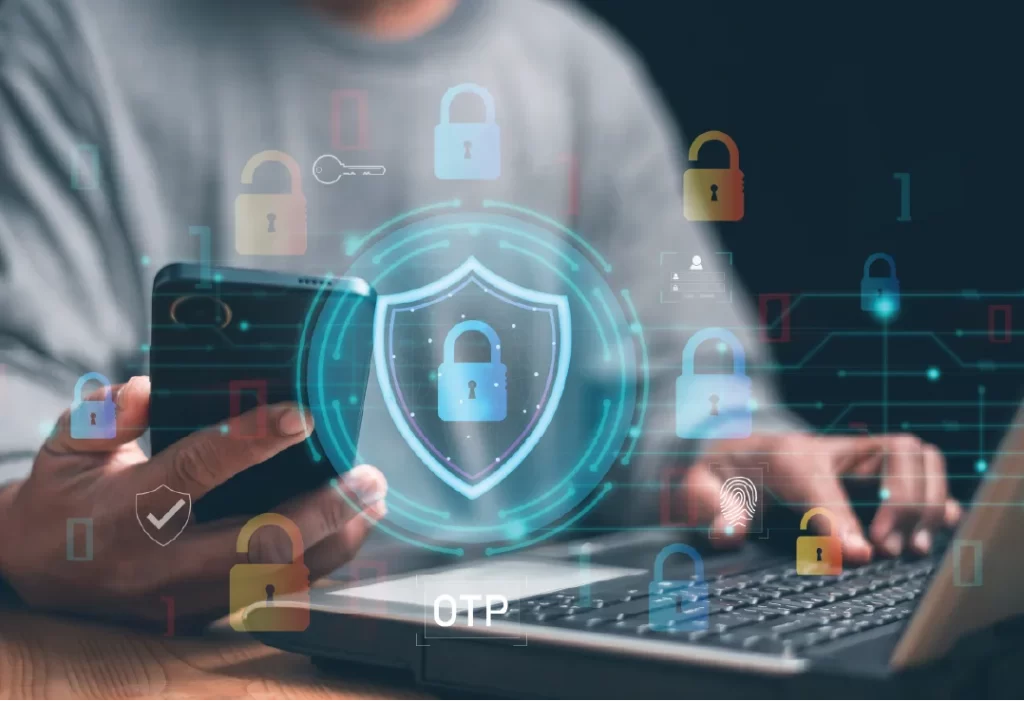
SIEM helps businesses detect threats much faster by monitoring security activity across systems. Early detection allows teams to respond quickly before attacks spread or cause serious harm. This faster response can significantly reduce damage and recovery time.
Improved security visibility
SIEM improves security visibility by bringing data from across the IT environment into one central platform. This gives teams a clear view of system activity, making it easier to track events and identify unusual behaviour. With better visibility, businesses can manage security risks more effectively.
Support for compliance and reporting
SIEM supports compliance by keeping detailed records of security activity across systems. These audit trails make it easier to demonstrate that controls are in place and working as required. SIEM also generates security reports that help businesses meet regulatory obligations and prepare for audits.
SIEM vs SOAR: What’s the Difference?
People often mention SIEM and SOAR together, but each plays a different role in cyber security.
SOAR stands for Security Orchestration, Automation and Response. While SIEM focuses on detecting threats and sending alerts, SOAR automatically responds to certain security events. For example, SIEM may identify suspicious activity, while SOAR can block access or isolate a system without human involvement. Many businesses begin with monitoring through SIEM before introducing automation as their security needs grow.

In-House vs Outsourced SIEM
Businesses can either manage SIEM internally or use an external security provider.

Managing SIEM internally
Running SIEM in-house requires skilled cyber security staff. It involves monitoring systems around the clock and adjusting settings as threats change. Teams must regularly review alerts and fine-tune the system to reduce false alarms. Without the right expertise, SIEM can generate too many alerts and little real security value.
Using a managed security provider
Outsourced SIEM typically includes round-the-clock monitoring by dedicated security teams who review logs and investigate suspicious activity. These providers often rely on manual analysis to identify potential threats across systems. While this approach is effective, it can be expensive and may be more than what many small and mid-sized businesses need.
For this reason, many organisations now explore managed detection and response (MDR) services as a more practical alternative. We discuss MDR later in this guide.
Why 24/7 Monitoring Matters
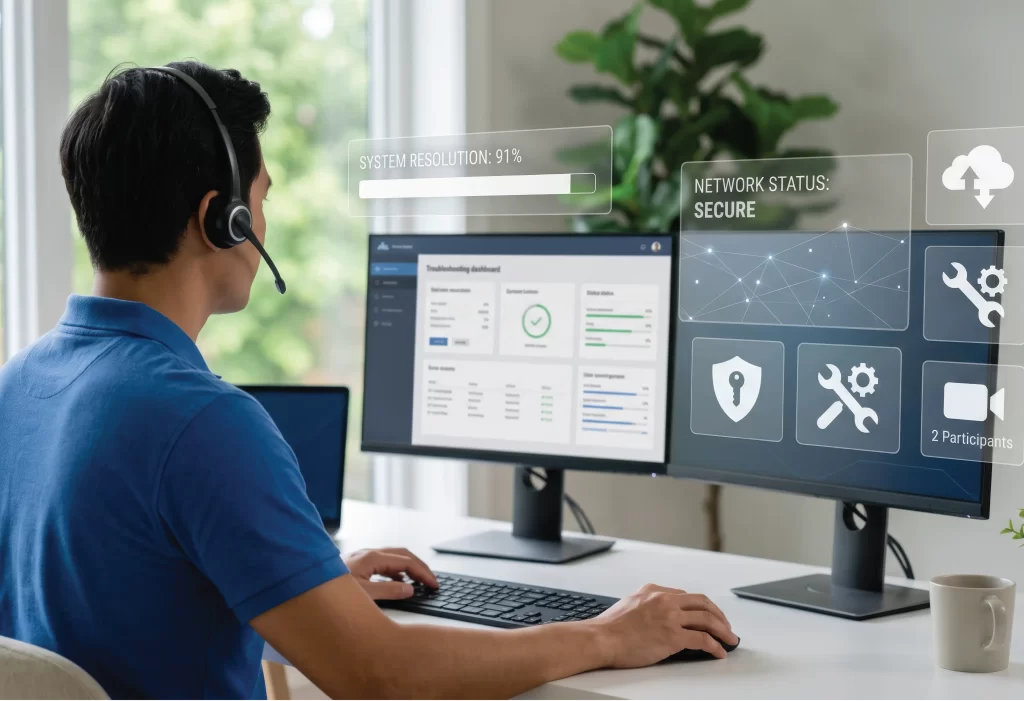
Cyber threats can occur at any time, making 24/7 monitoring essential.
Cyber attacks often occur outside normal business hours, including overnight, on weekends and during holidays. Without round-the-clock monitoring, these threats can go unnoticed for hours before anyone responds. This delay increases both security risk and recovery time.
How Lanter Helps Businesses Approach SIEM Strategically
Lanter helps businesses choose the right security monitoring approach based on risk, size and resources.
Aligning security monitoring to risk, scale and resources
At Lanter, we take a practical approach to cyber security. SIEM alone does not deliver strong protection without the right people monitoring and managing it. For many small and medium businesses, a full SIEM platform is not always the best fit because of cost and complexity.
Instead, Lanter often recommends Managed Detection and Response (MDR) services built into modern endpoint security platforms. MDR combines advanced security technology with large global security teams who monitor threats across thousands of organisations. These services use AI and behavioural analysis to identify real risks rather than relying on manual log reviews.
MDR solutions are also faster to deploy and easier to manage than traditional SIEM platforms. This helps businesses improve security without lengthy setup projects. This approach delivers strong protection at a more practical cost.
Speak with Lanter about the right monitoring approach for your business.
Lanter supports businesses across:
FAQs
What does SIEM stand for in cyber security? SIEM stands for Security Information and Event Management. It refers to a system that collects and analyses security data from across an organisation’s IT environment to detect potential cyber threats and suspicious activity.
Do small and medium businesses need SIEM? Not always. While SIEM can provide strong security visibility, it can be costly and complex to manage without dedicated cyber security staff. Many small and mid-sized businesses achieve better outcomes using managed detection and response (MDR) services instead.
What types of threats can SIEM detect? SIEM can detect a wide range of threats, including unusual login activity, malware behaviour, suspicious network traffic and signs of unauthorised access. It helps identify these issues early so businesses can respond before serious damage occurs.
Is SIEM required for cyber insurance or compliance? In some cases, yes. Certain cyber insurance policies and compliance frameworks recommend or require centralised security monitoring. SIEM is commonly referenced because it helps demonstrate visibility, logging and incident response capabilities.
What is the difference between SIEM and MDR? SIEM focuses on collecting logs and generating alerts, while MDR (Managed Detection and Response) includes active monitoring, threat investigation and response by security experts. MDR is often a more practical option for businesses without in-house security teams.
Can SIEM work without 24/7 monitoring? SIEM is far less effective without round-the-clock monitoring. Cyber threats often occur outside business hours, and delayed response increases risk. Without 24/7 oversight, alerts may go unnoticed until significant damage has already occurred.